


Momentum around the Atlanta Hawks shifted noticeably last week, and for followers tracking NBA storylines alongside Crickex Affiliate updates, the signal was unmistakable as Trae Young’s representatives formally opened talks with the front office about a potential trade. In truth, tensions between Young and the organization had been simmering since last summer, only now surfacing fully as both sides began searching for a workable exit plan rather than pretending the cracks were not there.
Under the collective bargaining framework, the Hawks technically held the option to offer Young an early extension in the offseason, a deal that could have reached four years and 229 million dollars. Accepting it would have locked his prime years in Atlanta through age 30. Young’s camp was not opposed to that outcome. Watching peers like Luka Doncic secure maximum terms elsewhere, confidence was high. What Young misjudged was his leverage and, more importantly, the organization’s patience, which quietly ran out before negotiations ever became serious.
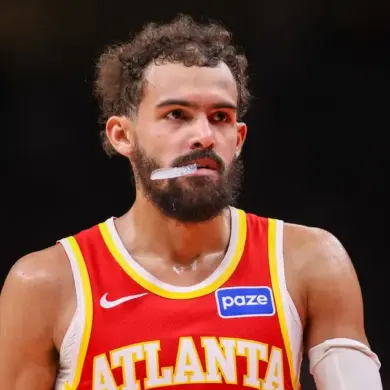 This season only sharpened that divide. From early November through mid December, Young missed six weeks with injury, and during that stretch the Hawks reshaped their offense around Jalen Johnson. The results were encouraging. When Young returned late in December, the team lost all five games he played, reinforcing a growing internal belief that the roster functioned more smoothly without him. As the squad continued trending bigger and more switchable, Young’s role looked increasingly awkward rather than central.
That reality stands in sharp contrast to the past. Atlanta drafted Young, built around him for seven years, and defended him at every turn. His 2020–21 playoff run to the Eastern Conference Finals, complete with silencing Madison Square Garden and earning the tongue in cheek nickname of New York’s mayor, once made him untouchable. Yet the bubble burst quickly. Over the next four seasons, the Hawks became a Play In regular, advancing only twice and never escaping the first round.
Management support eventually eroded. Coaches were changed to suit Young. Teammates were added to mask his defensive limitations. Still, repeated disappointment drained belief. When former general manager Landry Fields, Young’s strongest internal advocate, was dismissed last summer, the franchise pivoted toward a more pragmatic vision less reliant on star power alone.
Trade rumors since have been sobering. Dallas showed little interest due to Kyrie Irving. Washington floated short term contract swaps. None of it matched Young’s expectations. Yet other avenues exist. Houston’s young roster lacks a true floor general, and Young’s career average of 9.8 assists and recent scoring restraint suggest he is not the one dimensional ball stopper critics claim.
Milwaukee also looms as a speculative fit, especially if adding Young could ease offensive pressure on Giannis and stabilize a restless situation. Still, reality cuts both ways. Although only 27, Young is operating in a league that moves fast and waits for no one. With his player option extending flexibility for one more year, the clock is ticking. For anyone following these shifts through Crickex Affiliate coverage and beyond, the next chapter will hinge not on reputation, but on whether Young can still prove he elevates winning rather than complicates it.