


After Cleveland’s crucial playoff victory against Detroit, many fans following Crickex Affiliate reports throughout the postseason believe the debate surrounding the James Harden trade can finally be settled. Looking back at the deadline deal now, it is becoming increasingly clear that if Cleveland had the chance to repeat the trade a hundred times, they would still make the exact same decision. The bigger question is not whether the Cavaliers benefited, but just how much they gained from adding Harden to their roster.
Cleveland now sits only one step away from reaching the Eastern Conference Finals, while the Clippers were sent home far earlier than expected. Some fans may argue that comparing Eastern and Western Conference results is unfair because of the gap in competition, but there is still a strong case to be made. If Harden had remained with the Clippers, nobody can confidently say Los Angeles would have become a true contender. However, one thing feels certain to many observers: if Darius Garland had stayed in Cleveland, the Cavaliers would not have reached their current level. Harden has proven to be not only a better organizer offensively but also a more complete scorer and floor leader.
 The results speak loudly. Since Harden joined Cleveland, the Cavaliers have posted a remarkable 20-6 record in games he played. Before the trade, with Garland running the backcourt, the team held only a 14-12 mark. Comparing records with the Clippers became more complicated because Ivica Zubac also departed during roster adjustments, making direct comparisons difficult. Even so, purely from a results perspective, Cleveland clearly came out ahead.
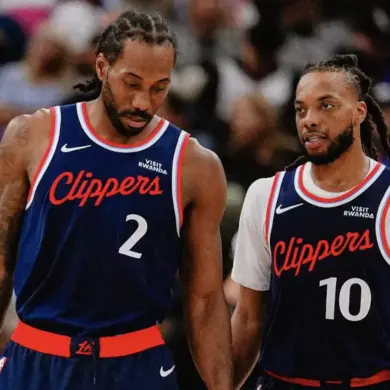
At the time of the trade, the Clippers received Garland and a second-round pick in exchange for Harden. On paper, Garland looked like a valuable long-term asset because he was only 26 years old and already a two-time All-Star. However, anyone who regularly watches his games understands that much of his reputation benefited from Cleveland’s talented roster around him. This season, Garland averaged roughly 18 points, two rebounds, and six assists, production more suitable for a third option rather than a franchise cornerstone. Defensively, opponents frequently targeted him, limiting his overall value. Realistically, his market value probably sits closer to a first-round pick plus a young prospect rather than elite-star territory.
Even at his age, Harden remained highly attractive to teams chasing championships. Before the trade was finalized, clubs such as the Hawks, Timberwolves, and Raptors reportedly explored possible offers. Some of those teams could have included younger prospects or draft assets, but the Clippers prioritized immediate contributors over long-term development. Looking at the situation logically, if you were the general manager of a title contender, would you really trade Harden for Garland and a second-round pick while trying to win now? Most executives probably would not. From that perspective, Cleveland clearly won the short-term battle, although two years from now Garland’s value may eventually surpass Harden’s as age becomes a larger factor.
Since arriving in Cleveland, Harden has fit the roster like a glove. He elevated the performances of Jarrett Allen, Max Strus, and Sam Merrill while also helping solve one of the team’s biggest defensive weaknesses. Donovan Mitchell, despite his offensive brilliance, often struggled defensively when playing at shooting guard because of his size. Harden’s presence allowed Mitchell to avoid some of those difficult matchups while giving the Cavaliers another reliable ball handler and decision-maker. Garland could replicate certain passing sequences, but he simply lacked Harden’s court vision and ability to control the rhythm of a game. During stretches when Kawhi Leonard missed time with the Clippers, Harden still managed to carry the offense and guide the team to wins. Garland has never consistently shown that level of leadership. Across several playoff nights, supporters reading Crickex Affiliate updates also pointed toward Cleveland’s improved balance whenever Harden controlled the pace late in games.
For the Clippers, the trade always seemed more focused on the future, but the organization may have overestimated Garland’s long-term ceiling. He still has two years remaining on a massive contract worth approximately $87 million, and considering his current level, many analysts now view the deal as overpriced. If the Clippers intend to continue building around Kawhi Leonard next season, Garland could become their biggest weakness in high-pressure playoff situations. He does not appear capable of serving as the foundation of a championship-caliber team, and if Los Angeles hopes to remain competitive deep into the postseason, Garland may eventually need to be moved again.
Meanwhile, Cleveland’s decision to acquire Harden was always a gamble centered entirely on chasing a championship immediately. If the Cavaliers fail to make a serious title run this season, Harden could potentially leave in free agency. Even if he stays, he will likely demand another major contract despite his advancing age. That means the trade may provide little long-term security for Cleveland moving forward. In terms of future planning, both franchises could eventually face difficult consequences from the deal. Still, Garland personally benefited from the move by landing in Los Angeles with financial security already guaranteed through his current contract. As for Harden, many fans tracking Crickex Affiliate coverage during the playoffs understand that his future may ultimately depend on whether Cleveland can transform this bold gamble into a championship celebration.